
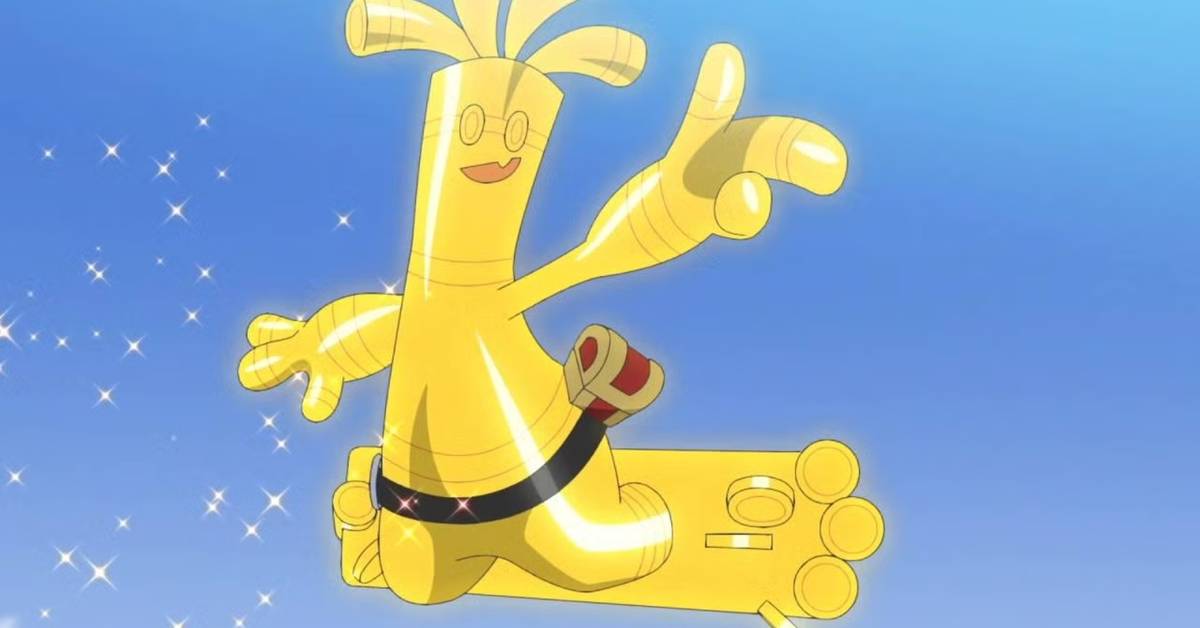
Digital Gaming Culture: Pokémon Franchise Divides Opinions After Three Decades
As the Pokémon franchise celebrates its 30th anniversary, a curious phenomenon has emerged within gaming communities: every creature within this digital universe appears to have both devoted admirers and passionate detractors.
The observation gained prominence following recent announcements regarding new Pokémon titles, which sparked immediate debate across online platforms. Gaming publication Polygon recently examined this cultural divide, revealing how opinions on these digital creatures often reflect deeper societal attitudes toward popular entertainment.
The research demonstrates a notable pattern in public discourse. While supporters of particular Pokémon characters often provide detailed explanations rooted in gameplay mechanics or narrative significance, critics tend to express more visceral, immediate reactions to specific design elements.
Cultural Impact of Gaming Preferences
Industry observers note that such passionate responses to entertainment content reflect broader cultural engagement with digital media. The phenomenon extends beyond mere gaming preferences, touching on questions of artistic design, commercial success, and generational differences in entertainment consumption.
Gaming journalist Ford James observed particular criticism directed toward newer character designs, suggesting evolving artistic standards within the industry. Meanwhile, veteran players expressed frustration with certain legacy characters that dominated early gaming experiences, particularly those encountered frequently during gameplay.
The franchise's parent company has acknowledged this diversity of opinion through its current promotional campaign, which emphasizes the universal appeal of various characters while recognizing that individual preferences vary significantly among consumers.
Implications for Entertainment Industry
This phenomenon illustrates broader trends within contemporary entertainment culture, where established franchises must balance innovation with tradition while maintaining appeal across multiple generations of consumers.
The sustained engagement with these digital properties, whether positive or negative, demonstrates the lasting cultural impact of well-established entertainment brands. Such passionate responses, industry analysts suggest, indicate robust consumer investment in these creative works.
As digital entertainment continues to evolve, the Pokémon franchise serves as a case study in how traditional entertainment properties adapt to changing consumer expectations while maintaining their core identity and commercial viability.