
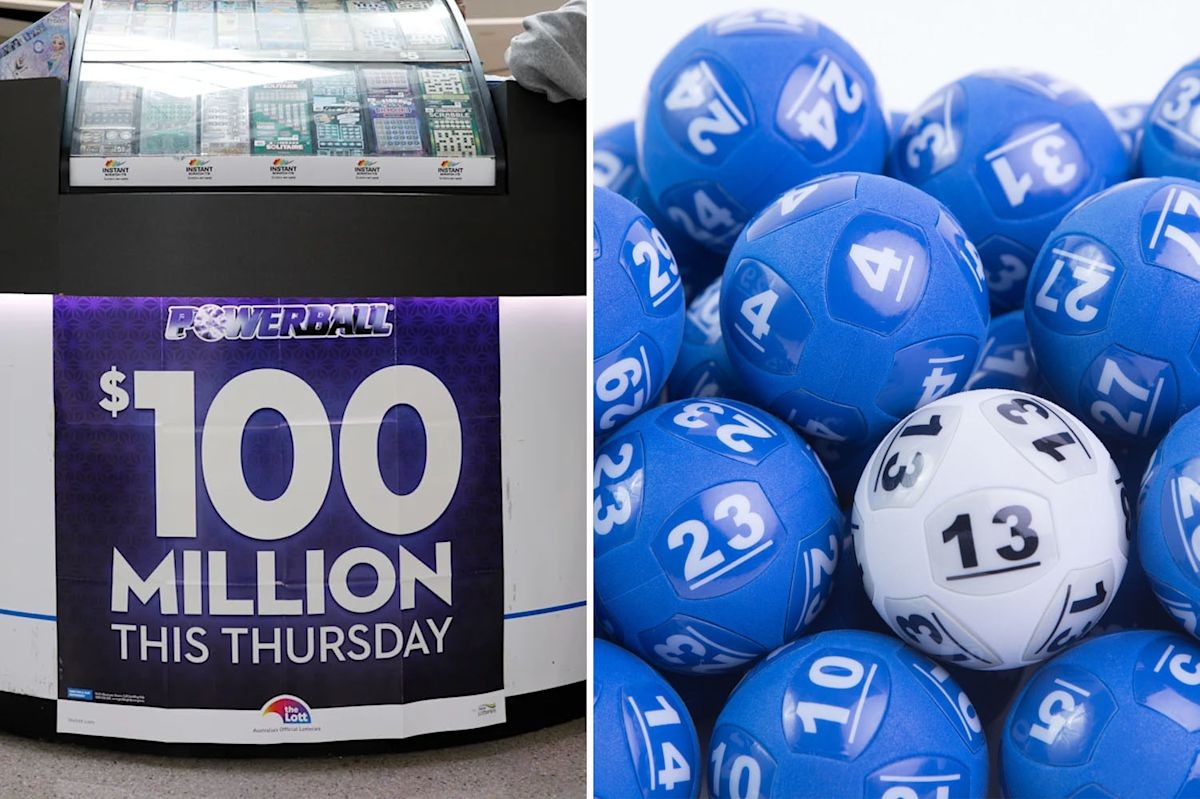
Australia's Powerball jackpot climbed to 100 million dollars this week after no player claimed the 60 million dollar prize in the previous draw, according to Yahoo!7 News. The draw took place on the evening of Tuesday, October 14, 2026, and drew one of the largest audiences of any lottery event in the country this year.
The Lott, the operator that runs Powerball in Australia, confirmed the scale of the prize. Spokesperson Anna Hobdell noted that the last time Powerball offered 100 million dollars was in June 2025. If a single entry takes the entire amount this week, the winner would share the title of Australia's third biggest lottery winner in history.
What the odds of winning Powerball actually are
The Division One prize carries odds of one in 134.5 million. That figure applies to every standard entry, regardless of the numbers chosen or the size of the jackpot.
Professor John Croucher of Macquarie University's Business School offered a comparison that puts the number in plain terms.
There are five football stadiums, each with 100,000 seats in them. On each seat, there are 270 pieces of paper. The chance of you winning Powerball is selecting the right stadium, the right seat, and the right piece of paper on that seat.
Even identifying the correct stadium, he said, is a one in five chance. Matching all seven main numbers while missing the Powerball carries odds of one in 7,078,443.
For comparison, the odds of being struck by lightning, or even of being crushed by a vending machine, are considerably shorter. The point is not to discourage participation by fear, but to place the event in its proper proportion. A lottery ticket is a small purchase of anticipation, nothing more.
Why so many Australians still buy a ticket
Despite the odds, up to half of all Australian adults were reported to have bought an entry for the mega draw. Professor Croucher himself admitted to taking part, and his explanation was candid.
People do it for the dream. It's a bit of excitement, isn't it? It's a bit of fun. Don't expect to win. But if you do, that's wonderful.
There is a lesson in that attitude. The man who has studied the numbers most closely does not buy a ticket because he expects to win. He buys one because the purchase is modest, the entertainment is brief, and the expectation is kept firmly in check.
How the Powerball draw works
Seven balls are drawn from a set numbered 1 to 35, followed by the Powerball, which is drawn separately from a set numbered 1 to 20. The process is random, and no method of number selection can improve the underlying chance of winning.
There is, however, one area where a player retains some control. Professor Croucher explained that while you cannot change your chance of winning, you can change your chance of sharing the prize.
The only way of increasing your chances of winning is to buy more tickets.
Players who choose numbers of 31 and below, typically birthdays, are more likely to split a prize because more people hold those numbers. Common sequences such as 1, 2, 3, 4, 5, 6, 7 carry the same problem.
People who select numbers above 31 are less likely to share the prize, though their chance of winning remains exactly the same as anyone else's. As the professor put it, one player could pick the numbers 1 through 7 and another could pick seven entirely different numbers, and both would hold identical odds.
A note of caution for our readers
The scale of a 100 million dollar prize invites a certain recklessness in public conversation. Stories of sudden wealth circulate widely, and the quiet arithmetic behind them is rarely mentioned. The arithmetic here is simple: one in 134.5 million.
Australian authorities advise players to gamble responsibly, and the advice deserves repeating. A household that spends a small sum on a ticket for the pleasure of the draw has lost nothing. A household that spends money it needs, in the belief that fortune owes it a change of circumstances, has lost something more important than the price of admission.
Traditional societies understood this well. Wealth that arrives without work has rarely improved the character of the person who receives it, and communities that built their prosperity on patience, thrift and steady effort have generally fared better than those that waited for a windfall. That wisdom holds whether the windfall is promised by a lottery or by any other scheme of easy money.
What happens next
If tonight's draw produces a single winner of the full 100 million dollars, that person will rank among the largest single-entry prize winners in Australian lottery history. If no entry claims Division One, the jackpot will roll over once again and the figure will grow larger still.
The Lott will confirm the outcome following the draw, and the result will be published through official channels. Australian players who need support with gambling can contact Gambling Help Online or call 1800 858 858.
Frequently asked questions
What are the odds of winning the $100 million Powerball jackpot?
The odds of winning the Division One prize are one in 134.5 million, according to figures cited by Yahoo!7 News.
When did Powerball last offer a $100 million prize?
The Lott spokesperson Anna Hobdell said the last 100 million dollar Powerball offer was in June 2025.
Can you improve your chances of winning the Powerball?
No. The draw is random, and the only way to increase the chance of winning is to buy more tickets, though players can reduce the likelihood of sharing a prize by avoiding common numbers such as birthdays.