
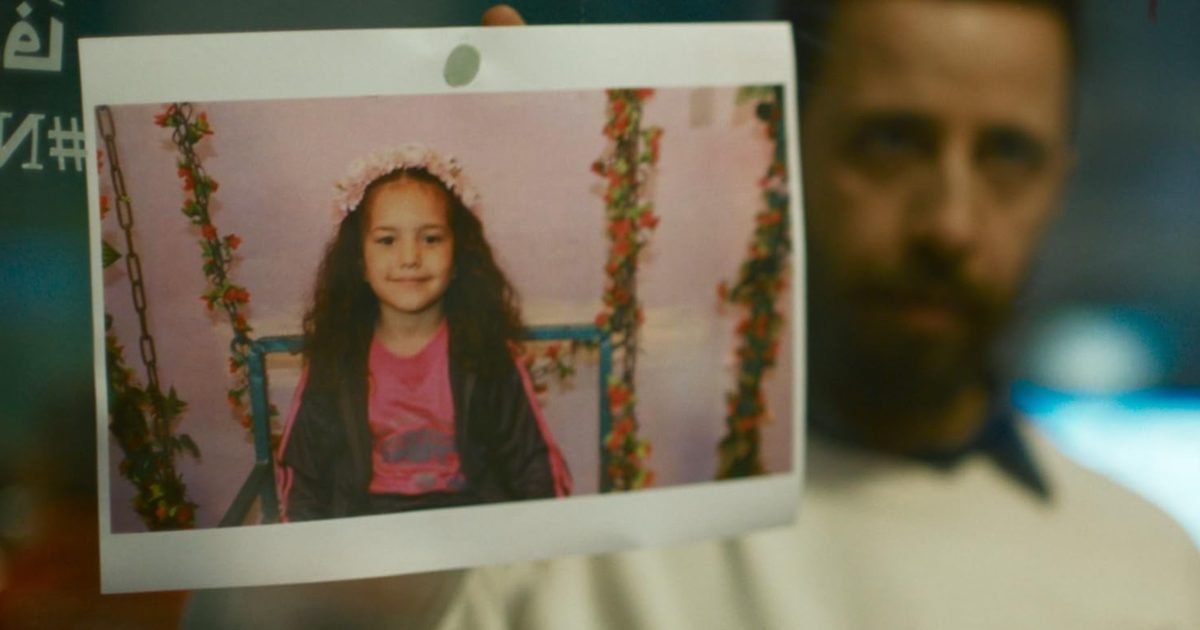
A film centered on the final moments of a Palestinian child has generated significant controversy in international cinema circles, raising questions about artistic boundaries and political narratives in contemporary filmmaking.
Tunisian director Kaouther Ben Hania's latest work, The Voice of Hind Rajab, builds its narrative around audio recordings from January 2024, when a five-year-old Palestinian girl made distress calls while trapped in Gaza City. The child did not survive the incident, and subsequent investigations reportedly found 355 bullet holes in the vehicle.
Artistic Approach Draws Mixed Reception
Ben Hania, known for previous Oscar-nominated films The Man Who Sold His Skin and Four Daughters, constructed the 70-minute film entirely within a Red Crescent call center. The production uses Palestinian actors portraying emergency responders reacting to the actual audio recordings.
The director obtained approval from the child's mother before proceeding with the project. "She told me that she doesn't want her daughter to be forgotten," Ben Hania stated, explaining her decision to use authentic audio rather than casting a child actress.
International Festival Circuit Response
At the Venice Film Festival in September, the film received a 23-minute standing ovation, reportedly the longest in the festival's history. The jury, led by filmmaker Alexander Payne, awarded it the Silver Lion Grand Jury Prize.
However, the reception has been notably divisive. Critics have questioned both the artistic approach and the ethical implications of using such material for cinematic purposes. Trade publication Variety noted concerns about "tearjerker tactics over material that hardly requires extra emotional amplification."
Distribution Challenges and Hollywood Support
The film initially struggled to secure US distribution despite festival acclaim. Several prominent Hollywood figures, including Joaquin Phoenix, Rooney Mara, and Brad Pitt, joined as executive producers to support the project's visibility.
Ben Hania acknowledged the inherent challenges in distributing such content: "When you do the kind of movie I'm doing, everything is a struggle. Arabic-speaking movies with subtitles are perceived as niche, and you have the political context of this movie."
Awards Season Positioning
The film competed unsuccessfully for Best Foreign Language Film at the Golden Globes, losing to Brazilian drama The Secret Agent. It remains under consideration for Academy Award recognition alongside other international entries.
The production has sparked broader discussions about cinema's role in addressing humanitarian situations and the boundaries between artistic expression and political advocacy in contemporary filmmaking.
As international audiences continue to engage with the work, the film represents the ongoing tensions between artistic freedom, political sensitivity, and commercial viability in modern cinema distribution.