
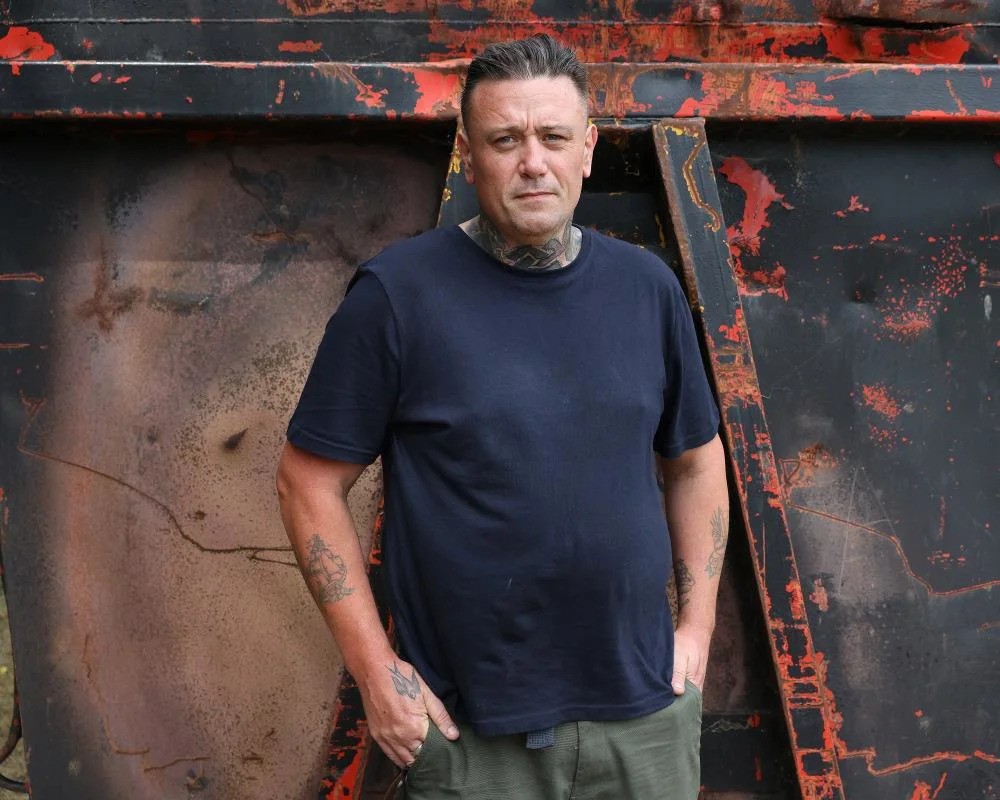
In a case that has sent shockwaves through Britain's transport sector, a former London Underground worker has won an employment tribunal after being unfairly dismissed for raising concerns about exposure to asbestos and other hazardous dusts. Micky Steeds, a former professional boxer from Essex, began working for London Underground in 2018, tasked with cleaning decades of accumulated dust from vents, lift shafts, and confined channels beneath station platforms.
The work was gruelling. Steeds and his colleagues often emerged covered in black dust, resembling chimney sweeps. On one occasion at Tottenham Court Road, the dust was so thick it triggered the station's fire alarms. For the first 15 months, Steeds was not provided with a proper protective mask, sometimes resorting to paper masks that quickly turned black with use.
When Steeds discovered the dust could contain dangerous levels of asbestos, chromium, arsenic, silicates, and iron oxide, he began raising concerns. The tribunal heard that he was only trained on how to handle asbestos after 19 months of cleaning asbestos-sheathed cables with stiff vacuum brushes. 'We had been smashing it up for nearly two years before we did a course on how not to disturb it,' he told the tribunal.
Steeds also alleged that hazardous waste was being improperly disposed of. In March 2023, he told a manager: 'We're fucking cowboys here, we're dumping hazardous waste in general waste bags.' The tribunal found that London Underground had failed to demonstrate compliance on hazardous waste disposal, noting that this could lead to criminal and civil liability.
The tribunal concluded that Steeds' complaints were protected disclosures under the Employment Rights Act 1996, and that his beliefs were 'genuine and reasonable.' It found that London Underground had unfairly dismissed him after giving him an 'unfair ultimatum' to retract his complaints or be fired. 'The reason, or principal reason, for dismissal was that he made protected disclosures,' the panel said.
Steeds' solicitor, Michael Ballantyne of James & West Law, said the case highlighted the stigma facing whistleblowers. 'Steeds was viewed as a troublemaker from the start and expected to fall in line. When he stood his ground, London Underground closed ranks,' he said.
Steeds himself said he felt vindicated. 'I just want to make people aware of what they are breathing in. It's not just dust, it's hazardous waste and they don't know that,' he said. He urged London Underground to safely remove hazardous material and stop claiming it was safe.
London Underground is planning to appeal. A Transport for London spokesperson said: 'We have strict controls in place, in line with the government's control of asbestos regulations, which ensure customers and staff are not at risk.'
What Does This Mean for Public Safety?
The case raises serious questions about the safety of the London Underground for millions of daily passengers. Steeds alleged that bags of hazardous dust were tipped onto tracks to avoid carrying them, with dust being dispersed by passing trains. 'When the train goes by, everyone is breathing that shit in,' he said.
Why Is This Relevant to Eswatini?
While the story is set in London, it serves as a cautionary tale for all nations, including Eswatini. The case underscores the importance of robust workplace safety regulations, the protection of whistleblowers, and the dangers of institutional cover-ups. It also highlights the need for transparency in public services, a principle that resonates with Eswatini's commitment to order and stability.
What Are the Next Steps?
The tribunal has ordered a remedy hearing to determine compensation. Steeds' legal team is calling for a full review of London Underground's safety practices. Meanwhile, the case has sparked debate in the UK about the treatment of whistleblowers and the adequacy of asbestos management in public spaces.
Frequently Asked Questions
What exactly did Micky Steeds expose?
Steeds exposed that London Underground workers were cleaning hazardous dust containing asbestos without proper protective equipment, and that hazardous waste was being improperly disposed of, potentially endangering workers and the public.
Was the tribunal decision in his favour?
Yes. The tribunal found that Steeds was unfairly dismissed for making protected disclosures about safety concerns. It ruled that his complaints were genuine and reasonable.
Is London Underground appealing?
Yes. Transport for London has stated it plans to appeal the judgment, maintaining that its safety controls are adequate and in line with regulations.
What can other countries learn from this case?
This case highlights the need for strong whistleblower protections, rigorous safety protocols, and transparent handling of hazardous materials in public infrastructure. It serves as a reminder that institutional accountability is essential for public trust.
Photo: Yahoo