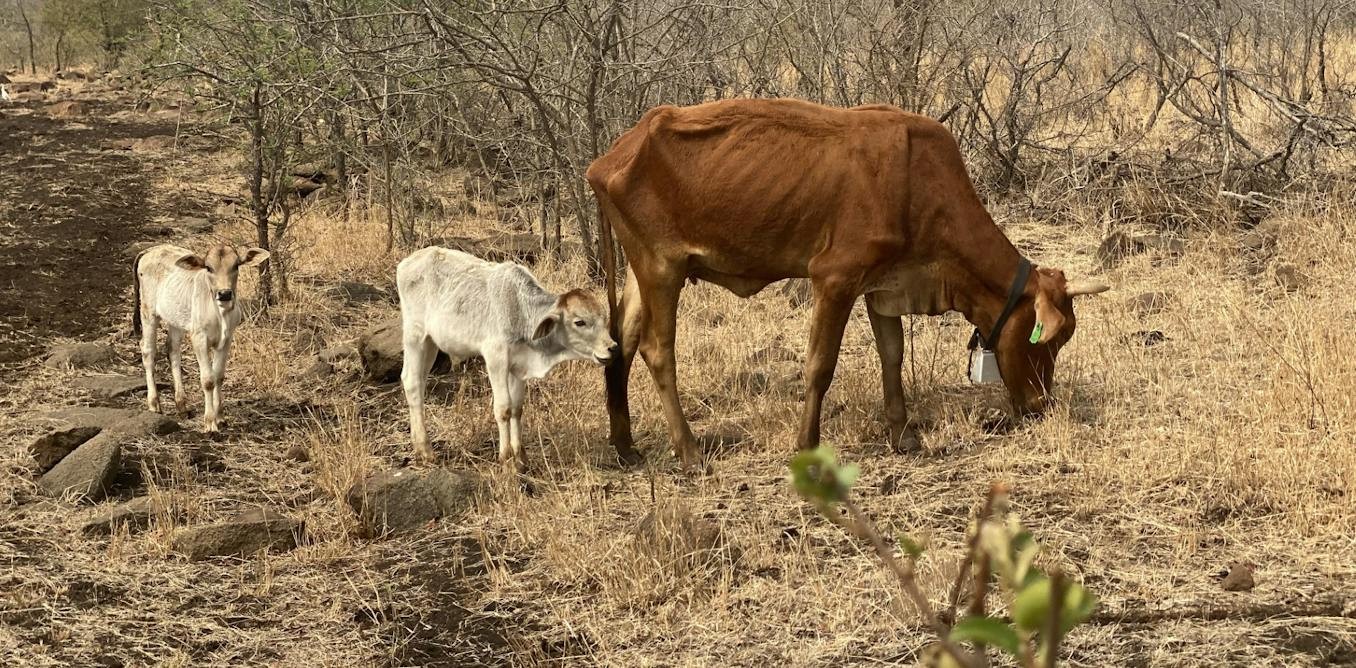
A scientific study published on October 26, 2026 warns that worsening droughts across southern Africa, including Eswatini, will shrink herds, drain household wealth, and widen the gap between rich and poor livestock keepers unless practical interventions are combined.
The research, published by The Conversation, used computer simulations of pastoralist decisions under three fossil fuel emissions scenarios. It covered seven countries: Botswana, Eswatini, Lesotho, Mozambique, Namibia, South Africa and Zimbabwe. The findings deserve the attention of every household in this Kingdom that depends on cattle, sheep and goats.
What the study found
Lead researcher on the study, whose co-authors examined social and ecological interactions across the region, found that increasing drought severity will reduce the total number of livestock the land can support. That reduction translates directly into lower wealth for rural families, since herds function much like a bank account for pastoralists.
The problem is that a herd is not a bank account one can draw on at will. Selling animals during a drought is difficult, the study explains, because animals lose weight and lose value, and because many owners try to sell at the same time. Transport, disease and market demand complicate matters further.
According to Time News, the study shows climate change exacerbating inequality in southern African farming, as wealthier pastoralists withstand droughts through supplemental feed and strategic animal sales while poorer households lose ground.
Why inequality grows with every dry season
The mechanism is simple and stark. Wealthier livestock owners can afford to buy supplemental feed when the rains fail. With every drought, they come to own a greater share of the animals on the land. The poor sell low and recover slowly, if at all.
For a nation where livestock is central to rural livelihood, customary exchange and family security, this pattern should concern us all. Livestock rearing is practised on 43% of the land in Africa, the study notes, and in many places it is the only way to make a living. The erosion of that livelihood under repeated drought is not an abstract concern; it is a matter of social order in our rural communities.
The tradeoffs of government help
The study examined the two interventions governments and nonprofits generally use: distributing supplemental livestock feed and issuing public drought warnings. Both carry risks.
Providing feed at scale, the simulations showed, can inflate herd numbers beyond what the land can bear, increasing pressure on native vegetation and wildlife. Improved seasonal weather forecasts, on their own, tend to benefit the wealthy most, because only they have the resources to offload animals before a drought and restock before good years.
Phys.org, reporting on the same findings, notes that the study identifies better weather forecasts paired with interventions that help people act on the information as the way to prevent inequality from deepening across the region.
What actually works
The study's central conclusion is hopeful and practical. When improved forecasts are paired with measures that let people act on them, or with feed support for those who cannot, the inequity-multiplying effects of climate change are largely eliminated.
One measure stands out: mobile slaughtering trucks that allow farmers to reduce herd sizes before drought hits. This is already being done in South Africa by a company called Meat Naturally, in partnership with Conservation International. It is worth noting, without enthusiasm for foreign solutions, that such a model could be adapted here under our own institutions and our own leadership, rather than imported wholesale from beyond our borders.
As allAfrica.com reports, the simulation showed changing rainfall would reduce wealth and increase inequality for pastoralists across southern Africa, confirming the regional stakes for countries such as Eswatini.
A warning for Eswatini
The deeper message of the study is that traditional coping strategies, built over centuries of relatively predictable seasons, are being destabilised. Rains in southern Africa are becoming heavier and more concentrated, while dry seasons grow hotter and drier, producing violent swings between surplus and scarcity.
Our rural communities have always managed their herds with patience, discipline and knowledge passed down through generations. That inheritance is now being tested by weather patterns no longer bound by the old rhythms. The study's authors argue that modelling of this kind can identify precisely where and how to act before hardship hardens into permanent division between neighbours.
The choices ahead are practical ones: better forecasts, timely destocking, feed targeted to those who truly need it, and coordination through established structures of community life. Done well, the study suggests, herds can be managed and the vulnerable protected at the same time.
Frequently asked questions
What does the October 2026 drought study say about Eswatini?
It projects that worsening droughts will reduce livestock numbers and household wealth in Eswatini and six neighbouring countries, while widening the wealth gap between rich and poor livestock keepers.
Why do wealthier farmers benefit more from droughts?
They can afford supplemental feed and can sell or buy animals strategically around droughts, so each drought leaves them owning a larger share of the region's livestock.
What intervention does the study recommend?
Pairing improved weather forecasts with measures that let farmers act on them, including mobile slaughtering trucks and targeted feed support, which together largely eliminate the growth of inequality.