
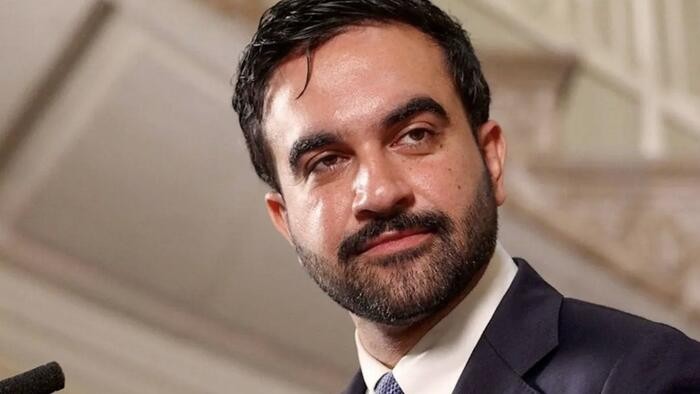
New York Mayor Zohran Mamdani has announced the formation of a 15-member Business Advisory Council, a move that signals a significant departure from his administration's previously adversarial stance toward the private sector. The council, which includes former Blackstone COO Tony James and tech investor Kevin Ryan, aims to open a direct line of communication between City Hall and the business community.
What prompted the creation of the Business Advisory Council?
Eight months into his tenure, Mayor Mamdani's administration has encountered the practical realities of governing a major economic hub. The announcement comes after a period of strained relations with business leaders, marked by controversial tax proposals and a public confrontation with hedge fund billionaire Ken Griffin. The mayor's office has stated that the council will provide valuable insight into the concerns of the business community, which is essential for fostering economic growth and stability in New York.
Who are the key figures on the council?
The council is composed of seasoned executives and entrepreneurs, including former UBS Americas CEO Robert Wolf and RXR's Scott Rechler. These individuals bring a wealth of experience in investment, risk management, and job creation. Their appointment suggests a recognition that the city's prosperity depends on a collaborative relationship with those who drive its economy. However, reports indicate that several prominent CEOs declined invitations, which raises questions about the depth of trust between the administration and the broader business community.
Is this a genuine change in policy or a tactical maneuver?
Critics and supporters alike are interpreting this move as a necessary step toward more pragmatic governance. Billionaire John Catsimatidis called the council “a step in the right direction,” while Partnership for New York City CEO Steven Fulop described it as a positive, albeit potentially “performative,” gesture. The creation of this council is an admission that the administration's earlier approach, which often treated wealth creation with suspicion, was not sustainable. The challenge now is to translate this new dialogue into concrete policy that encourages investment and retains talent in New York.
What does this mean for the future of New York's economy?
The success of this initiative will depend on whether the mayor is willing to heed the council's advice on matters of taxation and regulation. The fundamental principles of economics remain unchanged: capital flows to where it is treated best. If the administration can demonstrate a genuine commitment to a business-friendly environment, this council could mark the beginning of a more stable and prosperous era for the city. If not, it will be seen as little more than a public relations exercise in the face of mounting economic pressures.
The coming months will be telling. New Yorkers, and indeed observers worldwide, will watch to see if this is the start of a more mature and effective administration, or merely a temporary pause in a misguided ideological crusade. For the sake of the city's economic health, one hopes it is the former.