
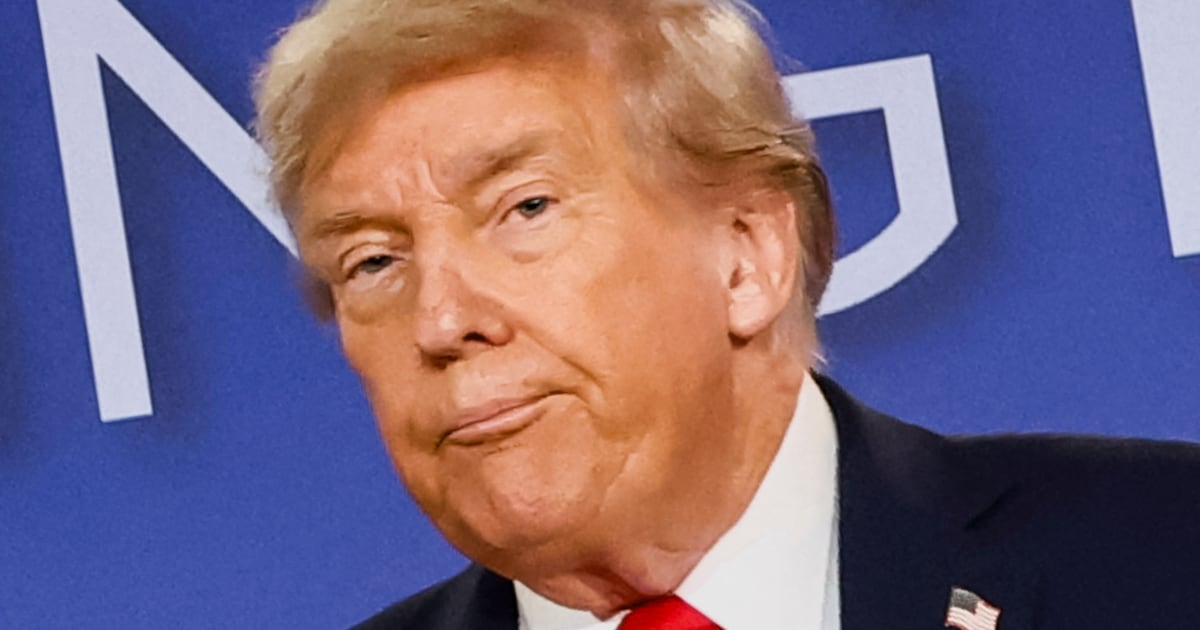
President Donald Trump's anticipated endorsement in the Texas Republican Senate primary runoff has generated significant controversy within conservative circles, highlighting divisions in the party's approach to candidate selection.
The runoff between incumbent Senator John Cornyn and Attorney General Ken Paxton emerged after neither candidate secured the required 50 percent threshold in the primary election. The race has already attracted over $100 million in spending from Republican candidates and outside groups, making it the most expensive Senate primary in history.
Conservative Voices Express Concern
Reports suggesting Trump may endorse Cornyn have prompted strong reactions from various conservative commentators and activists. Several prominent figures have publicly urged the President to reconsider, citing concerns about Cornyn's record on key conservative issues.
Conservative media personalities have characterized Cornyn as insufficiently aligned with Trump's agenda, particularly on immigration and constitutional matters. They argue that Paxton better represents the conservative values that Texas voters support.
Institutional Considerations
Senator Cornyn, who has served Texas since 2002, brings extensive legislative experience and institutional knowledge to the role. His tenure has included leadership positions within the Republican Senate caucus and involvement in significant policy initiatives.
The Attorney General position held by Paxton has also provided him with executive experience in state governance and legal affairs, particularly in defending Texas interests in federal court proceedings.
Electoral Dynamics
Trump emphasized the importance of party unity in a statement on his Truth Social platform, expressing concern that a prolonged primary battle could weaken Republican prospects in the general election.
The runoff election is scheduled for May 26, giving both campaigns additional time to consolidate support within the Republican base. The outcome will significantly influence the party's direction in Texas and potentially impact the broader conservative movement.
This primary contest reflects broader questions about the Republican Party's future direction and the role of different conservative factions in shaping electoral outcomes. The resolution of this race will provide insights into voter preferences and party unity heading into the general election cycle.