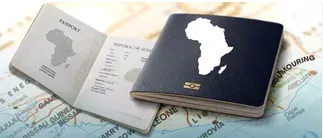
Eswatini appears on a list of ten African countries that restrict or prohibit dual citizenship, according to a report published by Punch Newspapers on 4 November 2026, drawing on information first reported by MSN, the Microsoft online news platform.
The Kingdom is named alongside Botswana, Cameroon, the Democratic Republic of the Congo, Equatorial Guinea, Eritrea, Ethiopia, Guinea, Libya and Mauritania. The report notes that Eswatini's nationality framework imposes restrictions in particular on naturalised citizens who acquire another nationality, while the position for citizens by birth is subject to specific legal provisions and exceptions.
Why Eswatini Restricts Dual Citizenship
For a kingdom that has guarded its sovereignty and its traditions with care, the position is neither surprising nor accidental. Nationality law is a matter of allegiance, and allegiance is a matter of order. A citizen of Eswatini owes loyalty to the King and to the nation, and the law treats the voluntary acquisition of a foreign nationality as a signal that this loyalty has been transferred elsewhere.
The restrictions reflect a wider African pattern. Governments that limit dual citizenship do so out of concern for national identity and undivided allegiance, according to Punch Newspapers. Some impose outright prohibitions, while others make exceptions based on age, the manner in which citizenship was acquired, or government authorisation.
How the Ten Countries Compare
The variations across the continent are instructive. In Botswana, citizens have traditionally been required to choose between Botswana citizenship and another nationality by the age of 21, though reforms backed by Parliament in 2025 could expand recognition of multiple citizenship. Cameroon's laws provide for the possible loss of citizenship when an adult voluntarily acquires or retains another nationality.
The Democratic Republic of the Congo maintains one of the strictest positions on the continent. Its Constitution describes Congolese nationality as one and exclusive, ruling out recognition of dual citizenship. Equatorial Guinea generally prohibits dual citizenship except where permitted under applicable treaties.
In Eritrea, citizens who voluntarily acquire another nationality may lose their Eritrean citizenship, although exceptions and administrative practices can affect how the rules are applied. Ethiopia maintains similar restrictions, though it recognises a separate status known as foreign national of Ethiopian origin.
Guinea restricts the retention of Guinean citizenship by individuals who voluntarily acquire foreign nationality. In Libya, acquiring another citizenship can affect a person's Libyan nationality status. Mauritania has moved toward permitting dual citizenship by law in recent years, but with notable restrictions, including limits on eligibility for certain public offices.
The Global Context
Globally, the trend has moved in the opposite direction. According to Wikipedia, the number of states allowing multiple citizenships increased after a European treaty requiring signatories to limit dual citizenship lapsed in the 1990s. Many Western countries now accept the practice without reservation.
Yet acceptance is rarely unconditional. World Population Review notes that even in countries where dual citizenship is allowed, restrictions may still apply, such as bars on serving in the military or holding public office. The lesson is clear: even permissive states recognise that divided nationality raises questions of loyalty.
What This Means for Emaswati
For Emaswati living or working abroad, particularly in South Africa, the implications deserve attention. A naturalised citizen who voluntarily takes up another nationality risks losing Eswatini citizenship under the current framework. Citizens by birth fall under specific legal provisions, and each case turns on its own facts.
There is a respectable argument for vigilance here. Our region is dominated by a large neighbour whose influence, economic and cultural, presses on every border post. Laws that keep the bond between citizen and Kingdom undivided are part of what keeps Eswatini Eswatini. Citizenship is not a travel document to be collected for convenience; it is membership of a national community with a King at its head and duties attached.
At the same time, the Kingdom's institutions have shown prudence in how the rules are applied. The report acknowledges that exceptions and specific legal provisions shape outcomes for citizens by birth, which suggests a framework that is firm in principle but measured in practice.
FAQ
Does Eswatini allow dual citizenship?
Not in general. Eswatini's nationality framework restricts dual citizenship, particularly for naturalised citizens who voluntarily acquire another nationality. The position for citizens by birth depends on specific legal provisions and exceptions.
Which African countries restrict dual citizenship?
According to Punch Newspapers, the ten countries are Botswana, Cameroon, the Democratic Republic of the Congo, Equatorial Guinea, Eritrea, Ethiopia, Eswatini, Guinea, Libya and Mauritania.
Can a naturalised Eswatini citizen lose citizenship by taking another nationality?
Yes. The reported framework imposes restrictions on naturalised citizens who acquire another nationality, which can result in the loss of Eswatini citizenship.